Warning: Declaration of aec_contributor_list::form() should be compatible with WP_Widget::form($instance) in /home/thefor14/public_html/wp-content/plugins/ajax-event-calendar/inc/widget-contributors.php on line 0

Warning: session_start(): Cannot start session when headers already sent in /home/thefor14/public_html/wp-content/plugins/very-simple-contact-form/vscf_main.php on line 4
The Forgotten Body Remembers
Anna M. Maynard

June 2017

Three months have passed and I am now on my way west to east to further east via Maui, Massachusetts and Vienna.

The first stop was Maui. Complete. Beautiful, high energy with lots of flow and ease and grace. I am feeling well from my time on this enchanting island in the middle of the pacific ocean. Far out and away from any large land mass, the Hawaiian islands feel like an othered place. A place of difference if you are from the main land and a place of total harmony. A place where one can see the ripple effect of an action immediatly across the island, like a desert sandstorm it takes only one small thing to happen to shift the balance. All are effected/affected, like a one big empathetic wave.

Next come Massachusetts in July. Earthdance for a week of connection with other performing artists from around the globe.

After this I head back to Vienna, Impulstanz and the lovely IDOCDE symposium where I will be sharing a speaking enagement with Daniel Davis on working within marginalized communities.

IMG_8496

Somatic Generosity: Cultivating empathy in the classroom and beyond

IMG_8496

Somatic Generosity: Cultivating empathy in the classroom and beyond
Deirdre Morris , MFA

As an educator, I often observe students struggling with new concepts and issues of heritage
and identity. The process of understanding the somatic heritage we carry, socially and
culturally, through embodied practices, offers students alternative pathways to knowledge -
embodied knowledge, traditional knowledge, relational knowledge. In presenting an
experiential learning model, students can experience in a direct way their growing awareness
and knowledge.
The intention of Somatic Generosity is to create an opening for explorations of vulnerability,
empathetic listening and subjective awareness. These are the skills needed to understand how
to be generous and how effective generosity as a place of operation can be in settings within
and outside of the academy.
Why generosity? What does generosity have to offer in a pedagogical setting? From my
experiences teaching over the past 20 years, I’ve discovered that students want to learn how
to speak about their work with embodied confidence. They want to connect with their fellow
students and colleagues. They wish to be recognized as contributors to the environments they
work, learn and live in. And in return they opened themselves up to doing the same for others.
Empathy. With empathy comes generosity. Giving without needing something back in return.
Empathy, generosity, listening, and practical skills like comfort in public speaking and
confidence in one’s own work, and how to relate in all of these settings creates growth
opportunities both within a student’s career and life.
How do we learn how to be generous or to empathize with others? If this is not modeled to us
or we do not have access to these kinds of experiences in our lives, then how do we learn
them? Is the traditional classroom a place we can use to teach students these skills? Do other
educators and institutions agree that these kinds of life skills are important?
Somatic Generosity is a transferable and sustainable practice in social spaces beyond the
classroom. Students walk away having learned how to navigate social and cultural
environments they may not be inherently a part of; an experiential life lesson.
Somatic Generosity is a series of educational platforms, techniques and exercises. Some are
physical that connect students to their bodies others are cognitive that tap into opinions we
have about people we encounter in all of the environments of our lives. These platforms assist
students in developing their self-awareness about their opinions, often developed through a
cultural or social identity/heritage that they may have about another person. What would it do
to have students talking and listening to each other, creating a community in the classroom?
How would it feel if the people you worked with and taught c ared about the other people in the
room?
How do we become more aware of when we are being generous? The ? rst tool I teach is what
the affect of being generous feels like in our body via an exercise of creating ‘ community
agreements ’ . Community agreements allow for everyone ’ s voice in the room to be heard. Being
heard and seen is often the ? rst step to feeling more secure and more able to share in a
genuine way. We practice generosity by knowing ourselves, and learning to care for others.
When we feel seen and heard we are more generous with everything. This creates a positive
feedback within our classroom.
’ Agreements ’ is a term used in activism to describe how participants in a particular space will
operate. A consistent agreement was: what happens in this space stays in this space. With this
agreement in place students felt safer and more comfortable sharing things about their
personal lives that they would not normally reveal. As they listened to each other they began to
understand that a judgement or criticism of another student they may have had based on
appearances, was not true. That they all shared a lot more than they thought they did. They felt
more compassion for their fellow students due to this shift in perspective.
A more physical technique involved students partnering up and each taking a turn rocking the
limbs and torso of the other student. I would give the prompt to touch and rock this body as if
it were your body. Students who were not familiar with being touched outside of intimate or
familial relationships were a little uncomfortable at first, but really got into it after a few
moments. They recognized that the way they touched this person would most likely be the way
they would be touched as well. So they became very aware and careful with their touch. This
exercise produced an immediate closeness between students and broke down another layer of
critique and judgement.
In the 2 years of implementing this work while teaching at UC Davis, I received feedback that
students felt seen, heard and secure enough to be more vulnerable. This is one of many
aspects that was revealed through the surveys and within office hours and emails sent after the
semester had ended.
In the Indigenous communities I have worked within, we practice giving without receiving. This
is an inherent part of our culture. In a consumer based culture, giving is only done in
relationship to receiving. One gives with the intention of getting something back. This is a
material exchange. In the Indigenous, US and Canadian based communities I have been a part
of, you give because that is what you do, you share what you have materially; within your heart;
your internal and external resources, your knowledge.
It is from this practice that I developed the format and techniques of Somatic Generosity.
Creating a model of self-awareness, vulnerability and empathy, by engaging the body’s felt
sense of generosity.
Somatic Generosity is a socially innovative platform that has broad reaching social, political
and educational impact. These platforms have expanded my students’ and colleagues’
self-awareness of what knowledge is and how to apply their knowledge from a sustainable
place of abundance.

IMG_0146

March 2017

IMG_0146March, a changeable month. Full of quick and wild winds, swollen faces noses and lungs, snowstorms and temparatures rising high enough to warrant wearing shorts for a few days; as well as the awakening of the seeds that laid fallow in the ground through winter, disturbing the soil and giving rise to a restless energy. March was an incredibly divergnet month in my world; with lots of movement, uncomfortablity and growth both inside and out.

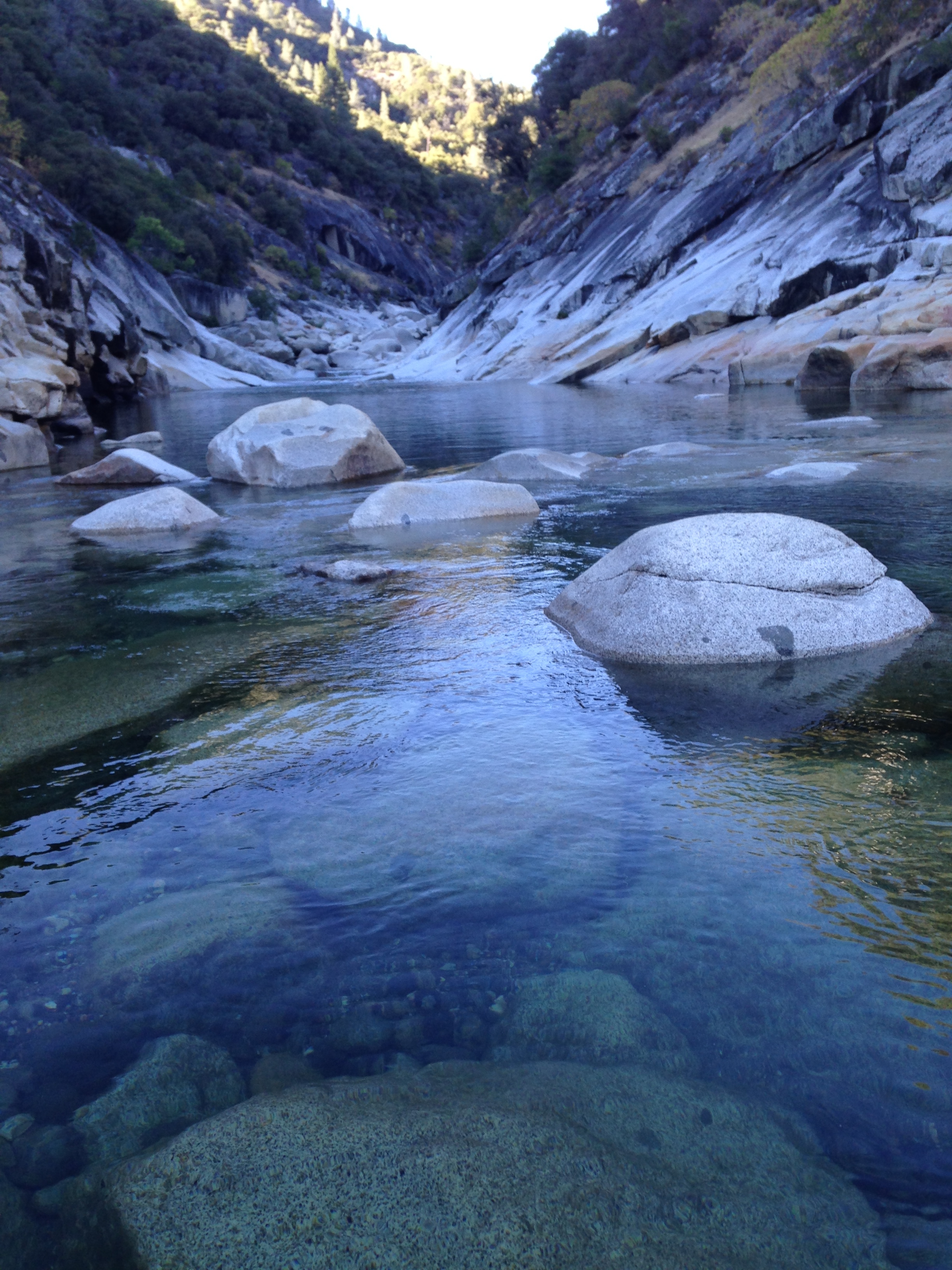
I began a project recording the memory of water. Seeking out the marks where it once flowed and is no longer there; how it is buried deep under the sand and the soil waiting to be liberated by my hands digging, or a light rain falling…it rises up this ‘under water’ to meet the rain. And tears. So many tears. Tears in such an amount I remained dehydrated for days at a time. Soaking in hot springs to warm my aching joints while the wind ripped that moisture from my body to such a degree I felt dessicated. Like a mummy while sitting in water. How is this even possible? These dual sensations are what occupied my thoughts and feelings this month. Flow next to dessication. Joy next to sorrow.

And then everything got quiet, like the quiet before a big ripping thunderstorm rains down its fury; and everything that could possibly grow began to grow; at first in these slow achy ways, like pushing through trecale. And then all the trees began blooming these sweet flowers and soft buds that will grow into thicker and thicker canopy through the spring and eventually into fruits we will eat in the late summer..dripping with the water squeezed from the ground and the sky to feed them. To feed us.

This is  life in the high desert. The many forms of water, of flow and ebb, ebb and flow, always thinking about water. Dreaming and praying for more snow in the mountains so the rivers will run and feed our gardens and farms. Praying and dreaming about spring rains like the month of May three years ago where it rained every day for a month. Do you remember that year? It was the most luscious spring and summer I had seen in the 19 years I have lived here.

Agua es Vida. Vida es Agua.


cracks femart photo

The Cracks Are How The Light Gets In

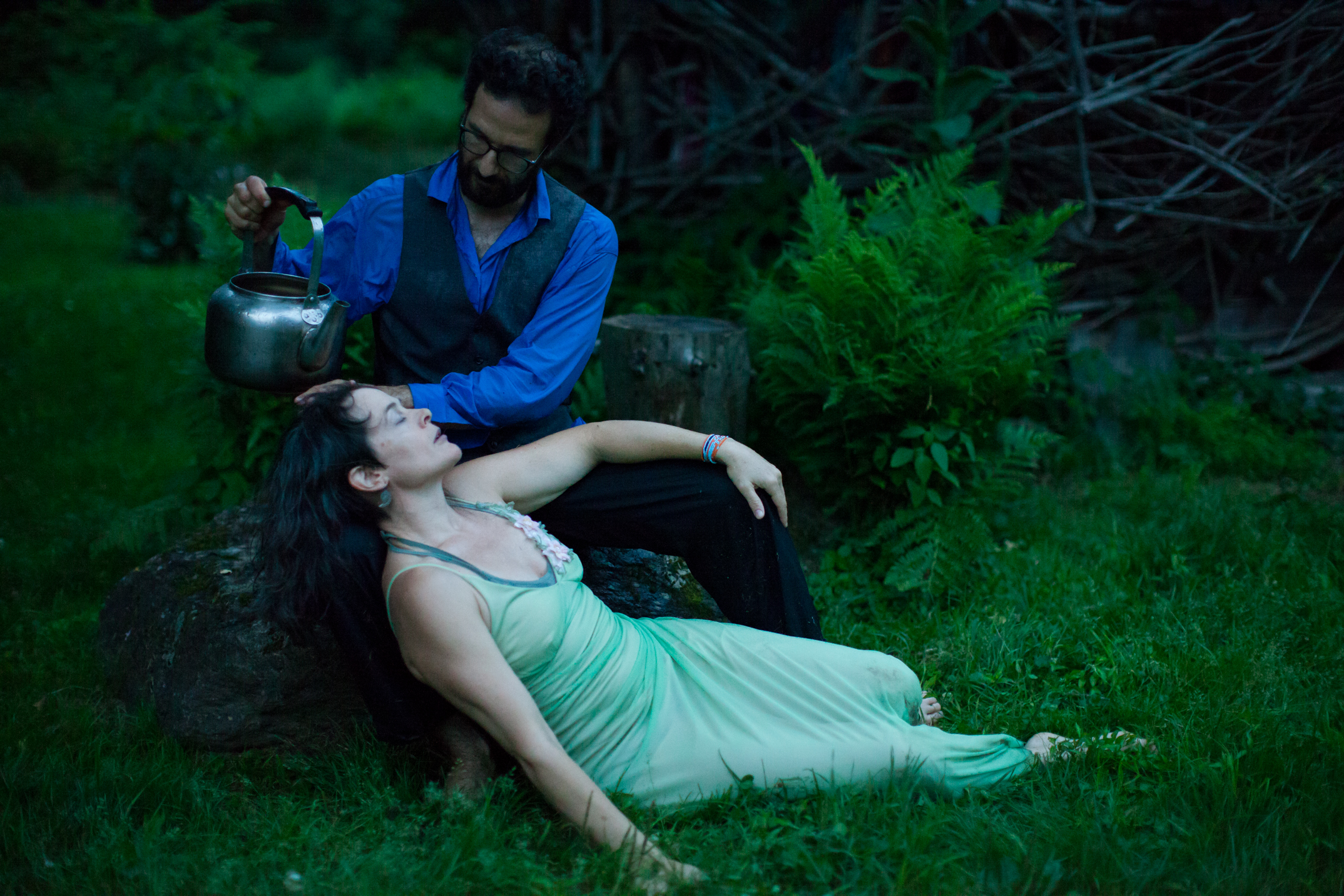
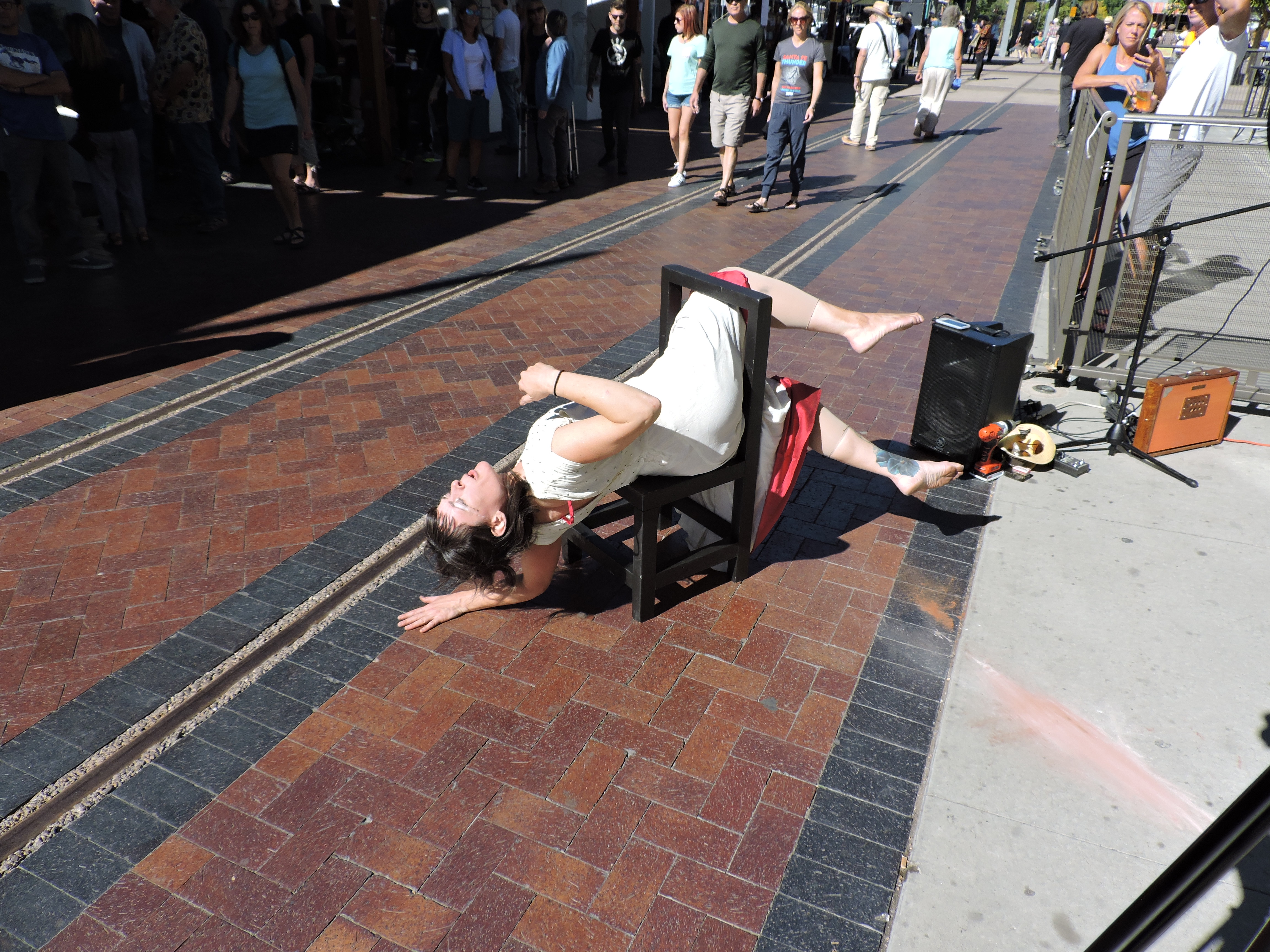
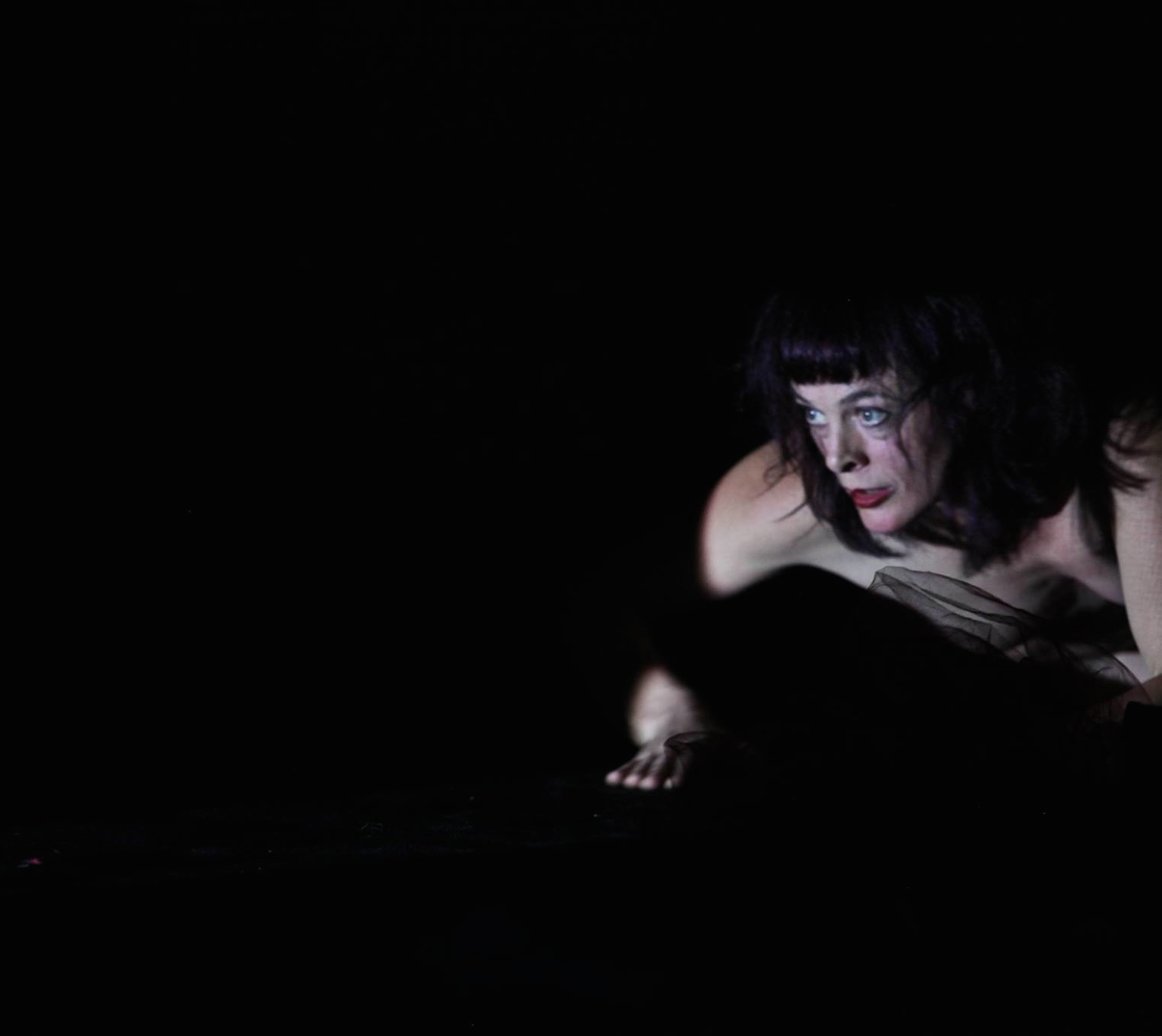
cracks femart photoThe Cracks Are How The Light Gets In, a solo performance by Deirdre Morris with Collaborator Iu-Hui Chua and Animation Design and Production by Brandon Gonzalez

The Cracks Are How The Light Gets In, is a project based in questions of normative success, empowerment and vulnerability. This solo exploration offers an experience of live performance, multimedia video work, dance, physical theater, connection and revelation. Together we are looking to uncover and reveal the vulnerable and tender spaces in our bodies conditioned by notions of normative success.

Mainstream media culture has a narrowing effect on our lives. When the images it offers us are internalized, it narrows our definitions of beauty, power, intelligence and well being. Our identities are often portrayed in the media in tropes and stereotypes that misrepresent our actual lived experiences. This perpetuates those systems of oppression that allow sexism and racism to prevail in our society. It is the task of those of us that are marginalized by this portrayal of success to create our own shared spaces to celebrate our underrepresented, shared experiences.

Inspried by a passage in Rebecca Solnit’s Men Explain Things To Me, The Cracks Are How The Light Gets In, provokes questions of identity, intimacy, vulnerability, and relationship to power/empowerment interpreted as physical scores mapped as a memory game. The intertwining of time, place and space as a metaphor to understand the how-we-got-to-where-we-are-today in a media culture dominated by a normative idea of success and power that does not include shared lived experience but rather reaches for an ideal that is part automaton part technological cyborg. Our interest is in the flesh experience of the body and the sociological impact our shifting norms are wreaking on our tissues, nervous systems and ideas of balanced relationship to our ecologies.

Like forging a new kind of 21st century ritual, we are interested in dipping into the magic of the threads of connection representing a time, place or history as heritage maps displayed on our bodies, revealing the different kinds of strength, beauty, vitality and wisdom that is acquired through experience.

How do we reclaim our representation in popular media? How do we celebrate the lived experience of our everyday lives and the struggle against invisibility, invalidation and assimilation? How do we share our vitality, mastery, knowledge and strength?

Seeing through the lens of the queer/ed bodies, politics and questions of image in a virtual world become the lens we see our lives through. Live theater is a site we can explore an alternative to the mainstream media culture. A space where stories can be shared and explored for their universality that brings us together while thoughtfully questioning why we are a part.